Table of Contents
The internet made the world smaller. Marketing translation made it understandable.
Think about the last international brand advertisement that made you laugh, inspired you, or convinced you to buy something. Chances are, it wasn’t simply translated word-for-word from another language. Instead, it was carefully rebuilt, reshaped, and culturally adapted to feel as though it was originally created for your country. That invisible process is what modern marketing translation is all about.
Today’s brands are no longer competing within borders. A startup in Cairo can sell to customers in Tokyo. A fashion brand in Paris can gain loyal followers in São Paulo. A software company in New York can attract users from Dubai, Berlin, and Singapore at the same time. The challenge isn’t reaching those audiences anymore. The challenge is speaking their language in a way that feels authentic.
Recent industry reports show that the global localization and translation industry continues to grow rapidly, with market estimates exceeding $75 billion in 2025 and forecasts approaching $92 billion by 2029. AI-powered workflows, machine-assisted translation, and localization technologies are reshaping how businesses communicate globally.
Before we dive into the fascinating world of marketing translation, let’s explore the structure of this article.
What Marketing Translation Really Means

Imagine trying to explain your favorite joke to someone who speaks a completely different language. You could translate every word perfectly, yet somehow the joke might still fall flat. That’s because language is much more than vocabulary. It’s culture, emotion, history, personality, and context all wrapped together.
Marketing translation operates on this deeper level. It doesn’t simply convert words from one language into another. Instead, it transfers the intention behind those words. When a brand launches a campaign internationally, it needs customers in every market to experience the same emotional reaction. Whether the audience is in Egypt, Germany, Brazil, or South Korea, the campaign must feel natural and relevant.
This is where traditional translation often reaches its limits. Marketing content relies heavily on emotion, persuasion, storytelling, humor, and cultural references. A slogan that sounds clever in English may sound confusing or even offensive in another language. Professional marketing translators therefore act almost like cultural architects. They reconstruct messages so they resonate locally while preserving the brand’s identity.
Experts increasingly emphasize that translation is not simply about converting words. Industry professionals note that cultural understanding and contextual adaptation remain essential, especially for marketing content where emotional impact directly affects customer behavior.
Why Translation and Localization Are Not the Same Thing
Many businesses mistakenly believe translation and localization are interchangeable. They aren’t.
Translation focuses on language. Localization focuses on experience.
If translation is replacing the words on a sign, localization is redesigning the entire store so local customers feel comfortable walking inside. Localization may involve adapting images, colors, currencies, product names, humor, measurements, cultural references, and even website layouts.
For example, a Valentine’s Day campaign might perform exceptionally well in one country while requiring significant adaptation in another. A color associated with luxury in one culture could symbolize mourning elsewhere. A phrase that sounds playful in one language may seem unprofessional in another.
This distinction has become even more important as international SEO evolves. Industry discussions consistently highlight that translated content often fails because it doesn’t match local search behavior or cultural expectations. Brands increasingly recognize that successful global marketing requires true localization rather than direct translation.
The Day Words Started Crossing Borders
There was a time when most companies only worried about customers in their local markets. International expansion required enormous investments, physical offices, and complex distribution networks. Marketing translation was often considered an optional service reserved for multinational corporations.
The digital age changed everything.
Today, a small business can launch a website and instantly attract visitors from dozens of countries. Social media platforms allow brands to reach global audiences within seconds. E-commerce has transformed local businesses into international competitors overnight.
This shift created a new challenge. Visibility became easy. Communication became difficult.
Consumers everywhere prefer content in their native language. Market research consistently shows that buyers are more likely to purchase products when information is presented in a language they fully understand. Localization services have consequently become a strategic business investment rather than a simple operational expense.
The Evolution from Traditional Translation to Transcreation
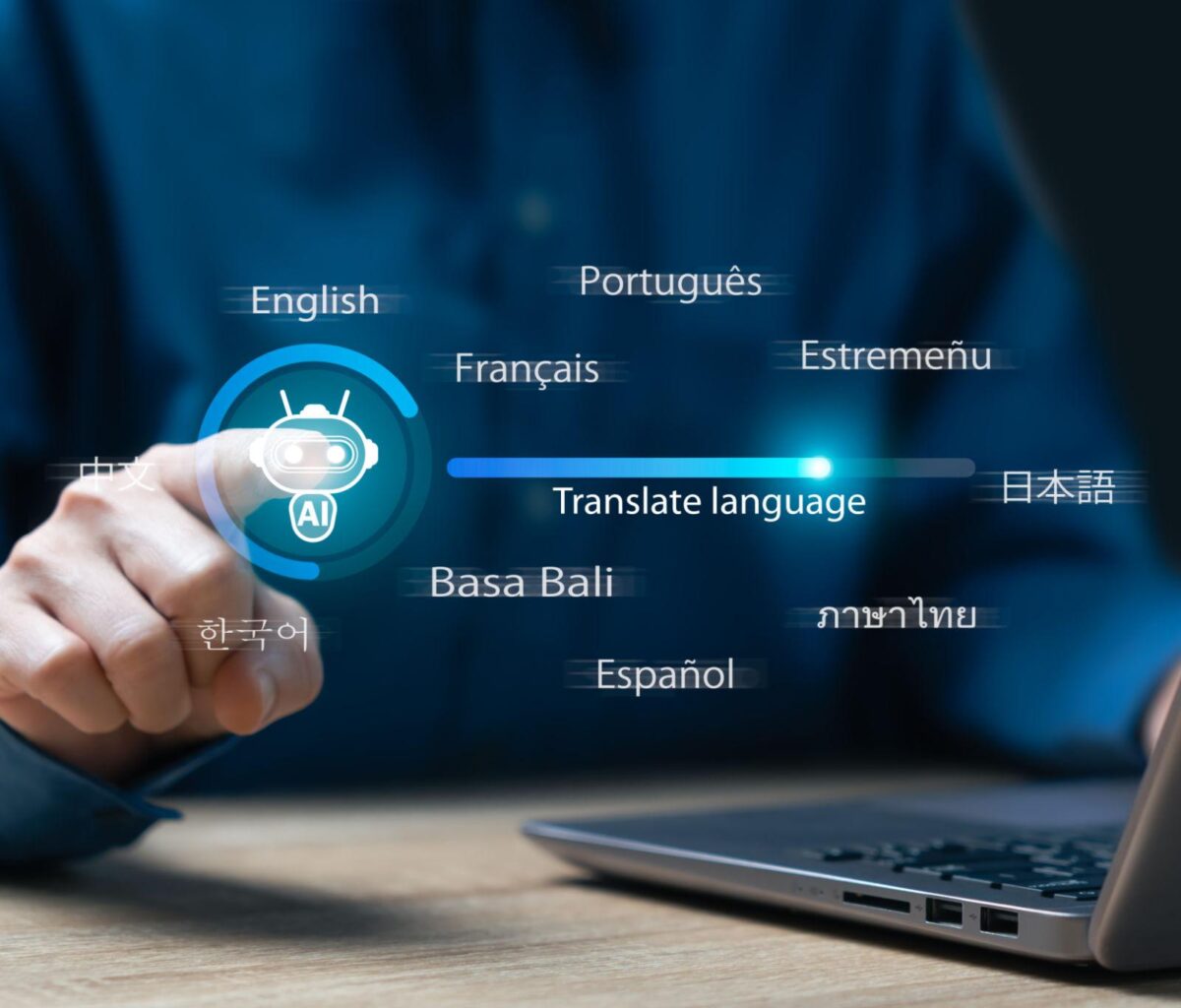
As global competition intensified, marketers realized something fascinating. Even perfectly translated advertisements often underperformed compared to locally created campaigns. This realization gave birth to transcreation.
Transcreation combines translation and creative writing. Instead of preserving exact wording, transcreators preserve emotional impact. They may completely rewrite headlines, slogans, and advertising copy while maintaining the original campaign’s objectives.
Think of transcreation as adapting a song for a new audience. The melody remains recognizable, but the lyrics change to create the same emotional response. The result feels authentic rather than imported.
Today, many of the world’s most successful international campaigns rely heavily on transcreation. It allows brands to maintain global consistency while respecting local culture, values, and communication styles.
The Hidden Science of Cultural Adaptation
Culture operates like invisible software running inside every society. People rarely notice it because it feels natural. Yet culture shapes how individuals interpret messages, respond to emotions, and make purchasing decisions.
Successful marketing translation understands these hidden influences.
A campaign promoting independence and individuality might resonate strongly in some markets. In others, messages emphasizing community, family, or collective success may perform better. Neither approach is universally correct. Effectiveness depends on cultural context.
Localization specialists therefore spend considerable time researching local consumer behavior. They examine traditions, social norms, purchasing habits, linguistic nuances, and emotional triggers. Every adaptation decision is designed to strengthen audience connection.
Colors, Symbols, and Emotional Triggers
Words represent only one part of a marketing message. Visual communication plays an equally powerful role.
Colors carry different meanings around the world. Animals, symbols, gestures, and imagery can evoke entirely different reactions depending on cultural context. A visual element that supports a campaign in one region might undermine it in another.
Modern localization increasingly integrates visual adaptation alongside linguistic translation. Research into advertisement localization now combines machine translation, visual consistency checks, and human evaluation to ensure culturally appropriate outcomes across markets.
The best marketing translation teams think beyond language. They consider the complete customer experience, ensuring every visual and verbal element works together harmoniously.
Why Global Brands Invest Millions in Marketing Translation
At first glance, spending significant budgets on localization might seem excessive. Why not simply translate content quickly and move on?
The answer is simple: revenue.
Consumers trust familiarity. When customers encounter content that feels native, they engage more deeply, stay longer, and convert more frequently. Effective localization reduces friction. It makes brands feel accessible, credible, and relevant.
This isn’t just theory. It directly influences sales performance, customer retention, and market penetration.
Revenue Growth Through Localization
Localization creates measurable business value because it removes barriers between brands and customers. Every confusing phrase, awkward translation, or cultural mismatch creates resistance. Every localized improvement removes that resistance.
Businesses increasingly treat localization as a growth strategy rather than a support function. Industry reports show strong demand for translation and localization services across e-commerce, software, media, and enterprise sectors. Growth projections remain strong as global digital content continues expanding.
Building Trust in New Markets
Trust is one of the most valuable currencies in business.
People naturally feel more comfortable engaging with brands that understand their language and culture. Localization demonstrates respect. It signals that a company has invested time and effort into serving a specific audience.
When customers encounter localized content that feels natural, they stop focusing on language and start focusing on value. That shift can dramatically improve marketing performance.
The AI Revolution in Marketing Translation
Artificial intelligence has become one of the biggest forces transforming the translation industry. Modern AI systems can generate translations at remarkable speeds, process enormous volumes of content, and support multilingual campaigns that would have required significantly larger teams only a few years ago.
Industry reports indicate that machine-assisted workflows now account for a large share of translation activity, while AI adoption continues accelerating across localization teams. Many organizations increasingly combine AI tools with human expertise to improve speed, scalability, and efficiency.
How Artificial Intelligence Is Changing the Industry
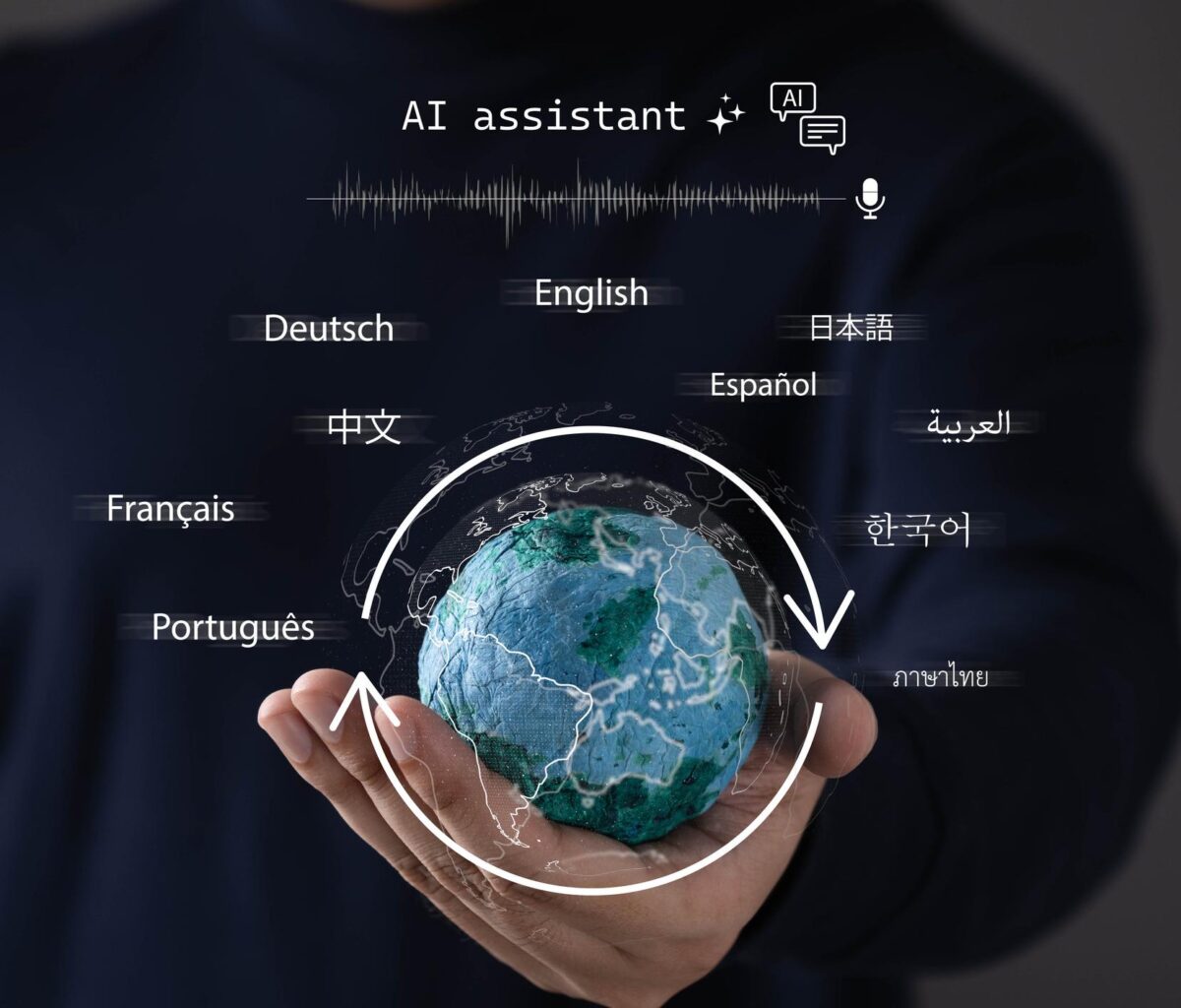
AI is particularly valuable for large-scale content operations. Product descriptions, knowledge bases, support documentation, and repetitive content can often be translated efficiently through machine-assisted workflows.
Major organizations are already using AI to accelerate content production. Some companies report dramatic reductions in content creation timelines while improving scalability across global markets.
The benefits are difficult to ignore:
- Faster turnaround times
- Lower production costs
- Greater content scalability
- Consistent terminology management
- Improved multilingual workflow automation
Where Human Creativity Still Wins
Despite AI’s impressive capabilities, marketing translation remains one of the most challenging areas for automation.
Why?
Because persuasion depends on nuance.
Humor, sarcasm, emotional storytelling, cultural symbolism, and brand personality remain difficult for machines to master consistently. AI can generate grammatically correct content, yet still miss subtle emotional cues that influence purchasing behavior.
Community discussions among marketers, developers, and localization professionals repeatedly highlight the same challenge: machine translation often handles structure effectively but struggles with local intent, cultural tone, and persuasive language.
The Rise of Human-AI Collaboration
The future is not humans versus AI.
The future is humans working alongside AI.
Many organizations now use hybrid workflows where AI handles initial translation and human experts refine the final output. Research suggests that this combination delivers faster production cycles while preserving quality and cultural accuracy.
Instead of replacing translators, AI is reshaping their role. Professionals increasingly focus on creativity, strategy, quality assurance, and cultural adaptation.
Creative Marketing Translation Success Stories
Some of the most successful international campaigns succeeded because brands embraced cultural adaptation rather than resisting it.
These campaigns understood a simple truth: people connect with authenticity.
Rather than forcing a universal message onto every audience, successful brands allow their core identity to evolve slightly across markets. The result feels personal without losing consistency.
Entertainment companies, sports networks, and content platforms increasingly use advanced localization technologies to reach broader audiences. Recent initiatives demonstrate how multilingual adaptation is becoming a central component of audience growth strategies.
International Campaigns That Worked Brilliantly
Successful localized campaigns often share several characteristics:
- Strong understanding of local culture
- Flexible creative execution
- Consistent brand identity
- Native-language storytelling
- Local keyword optimization
- Human review processes
The best campaigns don’t feel translated. They feel native.
That’s the ultimate goal of marketing translation.
Famous Translation Mistakes Brands Want to Forget
Marketing history is filled with localization mistakes that became legendary.
Some slogans lost their meaning entirely after translation. Others accidentally created humorous interpretations. A few even caused reputational damage.
These mistakes highlight why cultural expertise remains indispensable. Language alone is rarely enough. Context determines success.
Modern localization teams invest heavily in quality assurance, terminology management, and human review because even minor translation errors can create major business consequences. Research among localization professionals consistently identifies quality control as a critical requirement within AI-assisted workflows.
The Future of Marketing Translation
The future of marketing translation looks less like translation and more like personalized communication at scale.
AI, automation, data analytics, and real-time content generation are converging to create new possibilities. Brands will increasingly deliver localized experiences tailored not only to countries but also to specific customer segments.
Hyper-Personalized Localization
Imagine a future where marketing campaigns adapt dynamically based on language, region, interests, and behavioral patterns.
That future is already beginning to emerge.
AI systems can help generate market-specific content variations while human specialists ensure cultural relevance and brand consistency. Localization will become faster, more targeted, and more integrated into everyday marketing operations.
Real-Time Multilingual Marketing

Real-time multilingual communication is rapidly becoming a competitive advantage.
From live events and sports broadcasts to social media engagement and customer support, audiences increasingly expect immediate access to content in their preferred language. Emerging translation technologies are helping organizations meet those expectations more effectively than ever before.
The brands that succeed will not necessarily be those with the largest budgets. They will be the brands that communicate most effectively across cultures.
Conclusion
Marketing translation has evolved far beyond simple language conversion. It has become a sophisticated blend of linguistics, psychology, creativity, technology, and cultural intelligence.
In a world where businesses compete globally from day one, the ability to communicate authentically across languages is no longer optional. It’s a strategic advantage. The brands winning international markets understand that localization is not about changing words. It’s about creating connection.
AI will continue transforming the industry, accelerating workflows and expanding possibilities. Yet the heart of marketing translation remains deeply human. People connect with stories, emotions, humor, and cultural understanding. Those elements cannot be reduced to algorithms alone.
The future belongs to organizations that combine technological efficiency with human creativity. When those two forces work together, marketing translation becomes something extraordinary: a bridge that allows ideas, brands, and stories to travel anywhere in the world without losing their soul.
FAQs
1. What is the difference between translation and marketing translation?
Standard translation focuses on converting text from one language to another. Marketing translation focuses on preserving emotional impact, persuasion, and brand voice while adapting content for different cultures.
2. Why is localization important for global businesses?
Localization helps brands connect with local audiences by adapting language, visuals, cultural references, and user experiences. This often improves trust, engagement, and conversions.
3. Can AI replace marketing translators?
AI can accelerate translation workflows and handle large volumes of content, but human expertise remains essential for creativity, cultural adaptation, humor, and emotional storytelling.
4. What is transcreation?
Transcreation is the process of creatively adapting content for a new market while preserving the original intent, tone, and emotional impact rather than translating word-for-word.
5. How does marketing translation affect SEO?
Marketing translation improves international SEO by aligning content with local search behavior, keywords, cultural preferences, and regional user intent, helping brands rank more effectively in different markets.